

March: Setagaya Boro-ichi Market
March 31, 2026
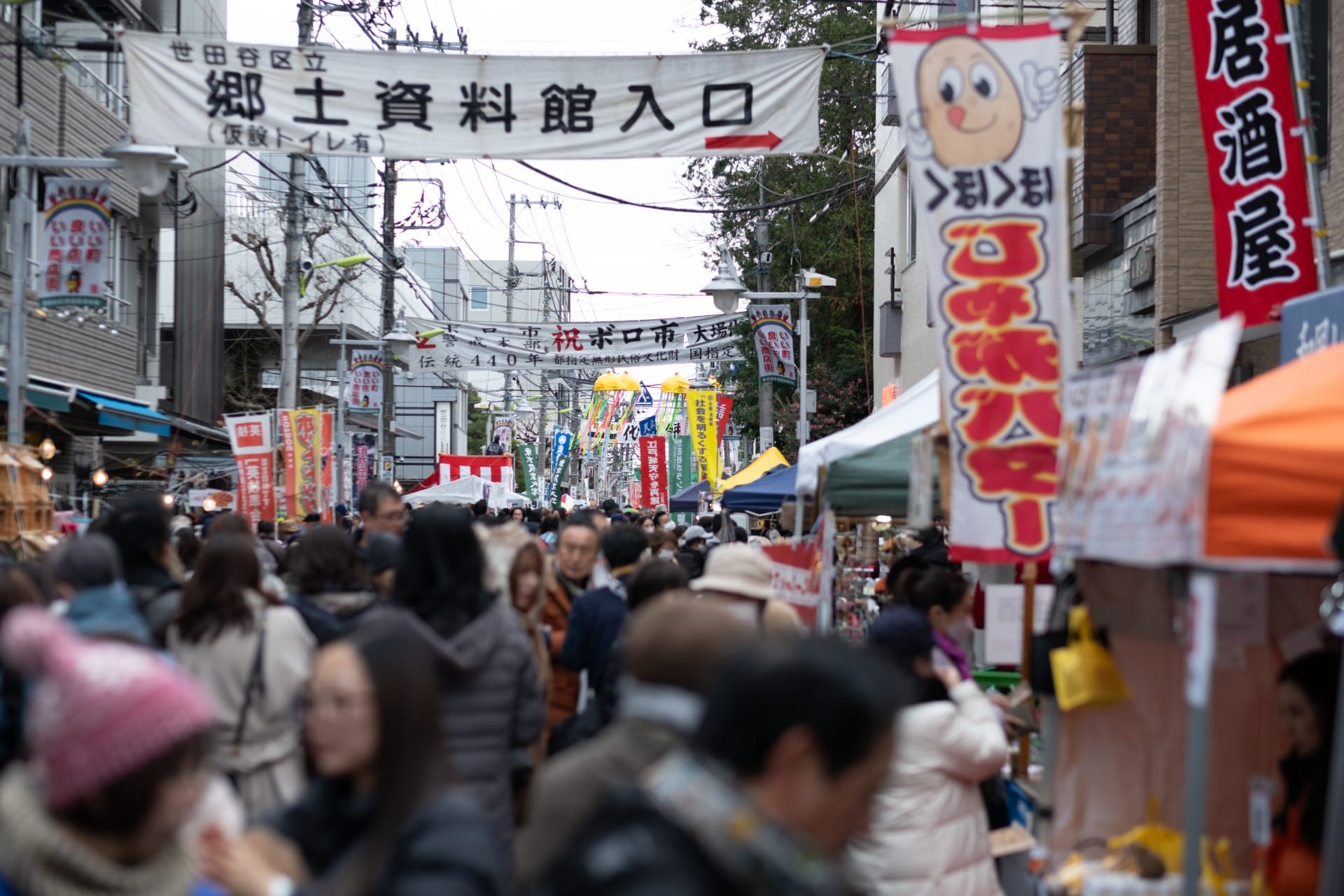
With the right discovery, visitors might just turn rags into riches at this historic market. Tokyo’s Boro-ichi market is a one-stop destination for antiques, vintage finds and unique souvenirs, drawing bargain hunters for over 400 years.
Held in the west of Tokyo, the market is one of the capital’s Intangible Folk Cultural Properties and stretches between two stations on the Setagaya Line: Kamimachi Station and Setagaya Station itself. It’s such a local landmark that the host street is named after the market, offering a helping hand to first-time visitors seeking out the bustling stalls.
While visitors today can stroll through around 700 stalls offering plants, toys and everyday items alongside the antique and vintage kimono selections, the market has a longer tradition hinted at in its name. Boro means “rags” in Japanese, and the market was originally known for selling scraps of fabric to local farmers for a variety of uses.
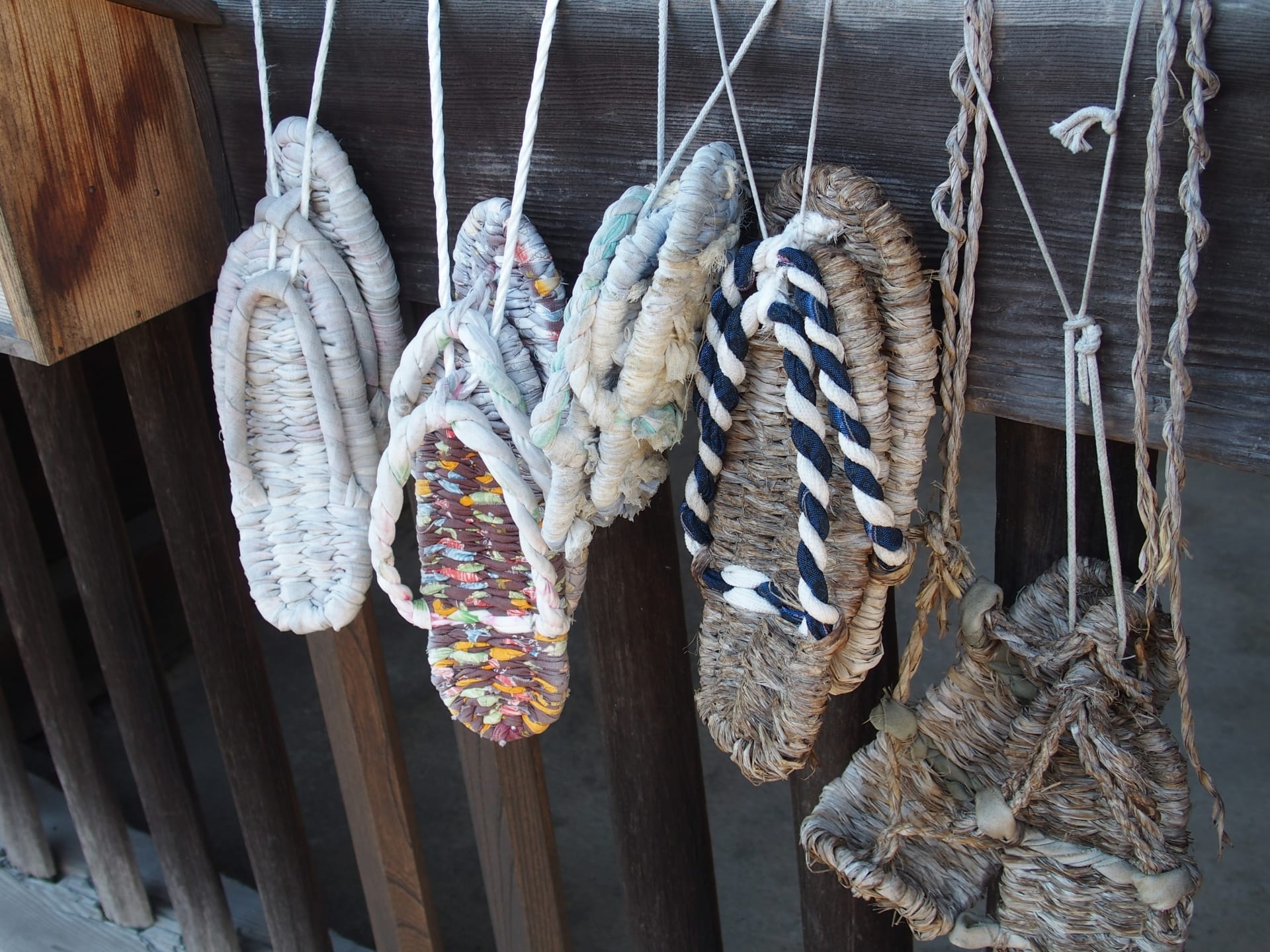
Waraji sandals reinforced with scraps of cloth, reflecting the market’s roots in practical, everyday craftsmanship
The Boro-ichi market dates back to 1578, when Hojo Ujimasa, the lord of Odawara, established it as a tax-free open market (rakuichi) along a busy trade route between Edo and Odawara. Its open status attracted both vendors and customers, allowing travelling traders to gather and helping the market grow in popularity. Farming tools made up a large part of the stalls, reflecting the area’s agricultural surroundings, but it was the humble rags that became its defining feature. Used to mend work clothes and woven into sturdy waraji sandals, they offered a durable solution for everyday life. Farmers would often weave sandals to create extra income, and demand for these practical goods remained consistently high.
The market grew steadily over the centuries, reaching a peak of around 2,000 stalls in the 1920s. As urbanization spread through Setagaya, however, farming communities declined and demand for agricultural tools decreased. Over time, it adapted by incorporating daily goods and nursery plants, ensuring its continued relevance within the community.
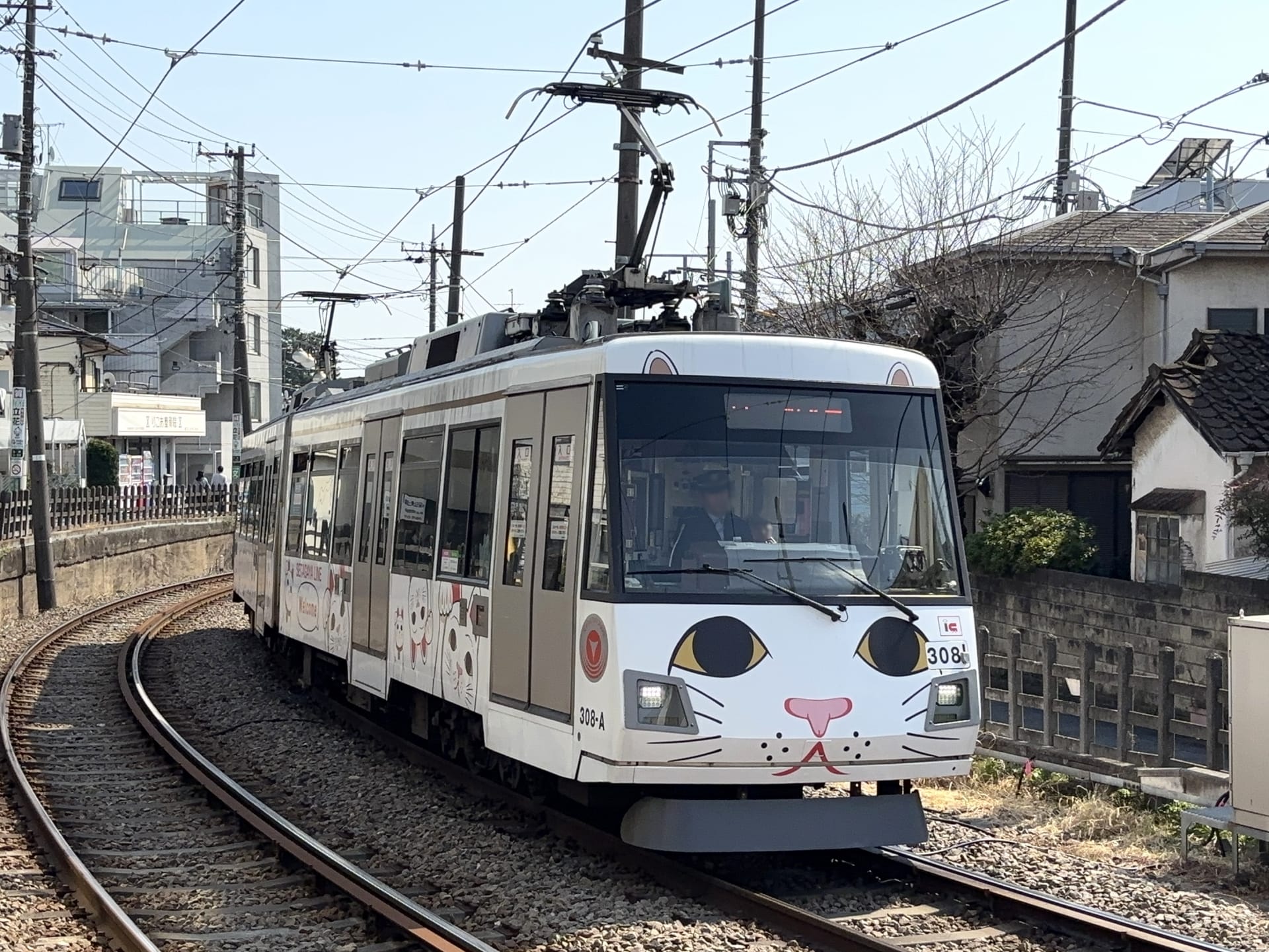
A cat-themed carriage on the Setagaya Line adds a playful touch to the journey through this quiet corner of Tokyo
Today, the market is held on December 15th–16th and again on the same days in January, offering visitors two opportunities to find their treasures. While there are more contemporary items present, there are still plenty of antique and older items waiting to be discovered—making for the perfect souvenirs complete with a great backstory. While browsing, visitors and locals alike should take the chance to try Daikan Mochi—freshly made rice cakes served with a choice of toppings, from sweet red bean paste and nutty kinako (roasted soybean flour) to the savory “karami” of grated daikon radish.
Though it may feel slightly off the beaten path, the Boro-ichi market makes for a rewarding day out, from the scenic tram ride to the area’s quiet local sights. The Setagaya Line offers a charming approach to this corner of Tokyo, with occasional cat-themed carriages adding a touch of playful kawaii.
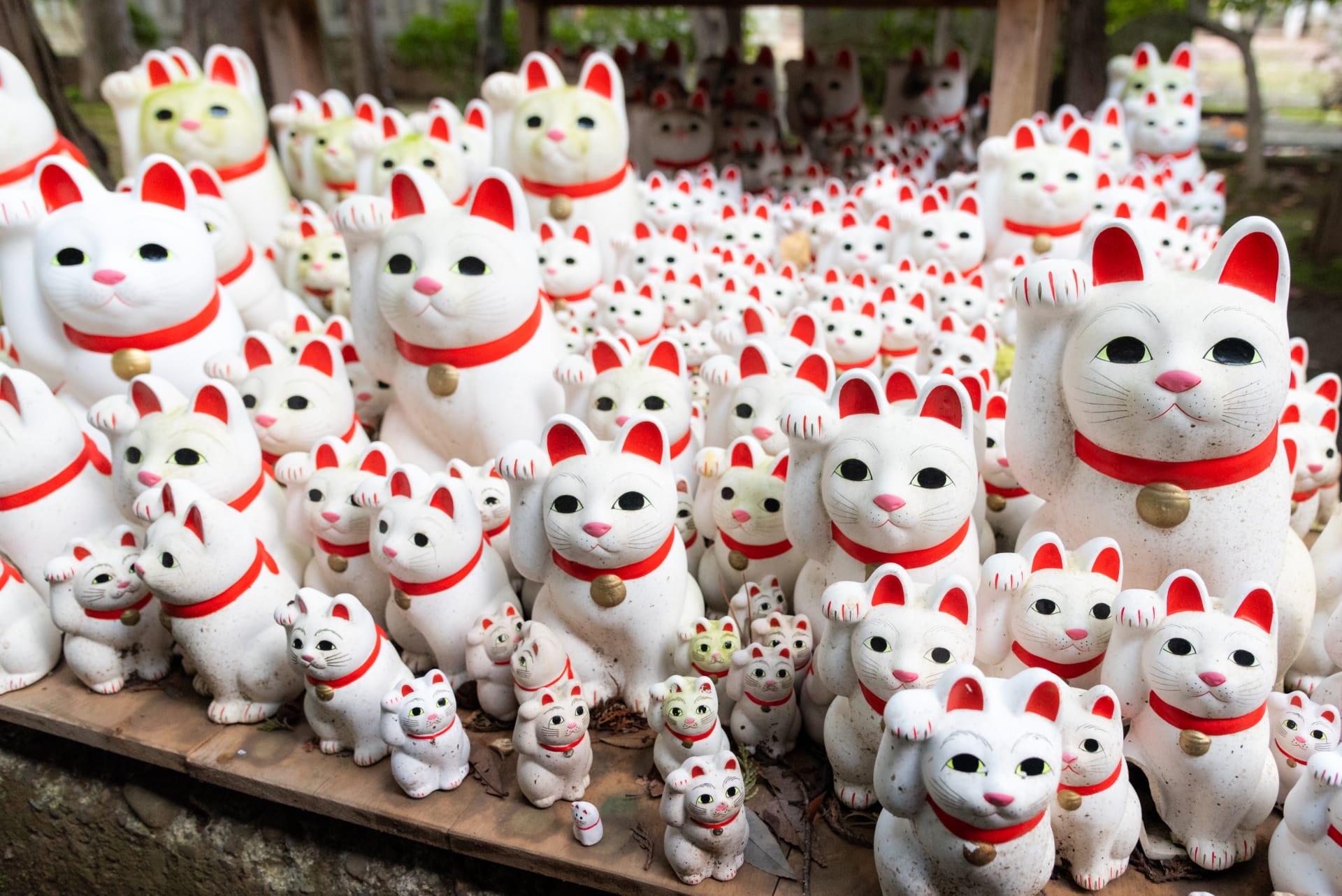
Rows of maneki-neko figurines line the grounds of Gotoku-ji Temple, quietly beckoning good fortune to visitors
Running between Sangenjaya and Shimo-Takaido, the line also provides easy access to Gotoku-ji Temple—a must-visit for cat lovers. Said to date back to 1480, the temple is known for its striking display of maneki-neko (beckoning cat) figurines, inspired by a legend in which a feudal lord was beckoned to safety by a cat, sparing him from a sudden storm. Visitors can purchase their own small lucky cats and add them to the growing collection, while keeping an eye out for the many feline motifs scattered throughout the grounds
For more details, contact DMC Japan to discuss ideas, locations and rates.
Contact Us