
Leisure
Model Itinerary
Artisans & Ancestry Japan’s Cultural Heartlands
Regional Terroir, Artisanal Heritage and their roots in Each Landscape
Kanazawa - Kyoto - Ise
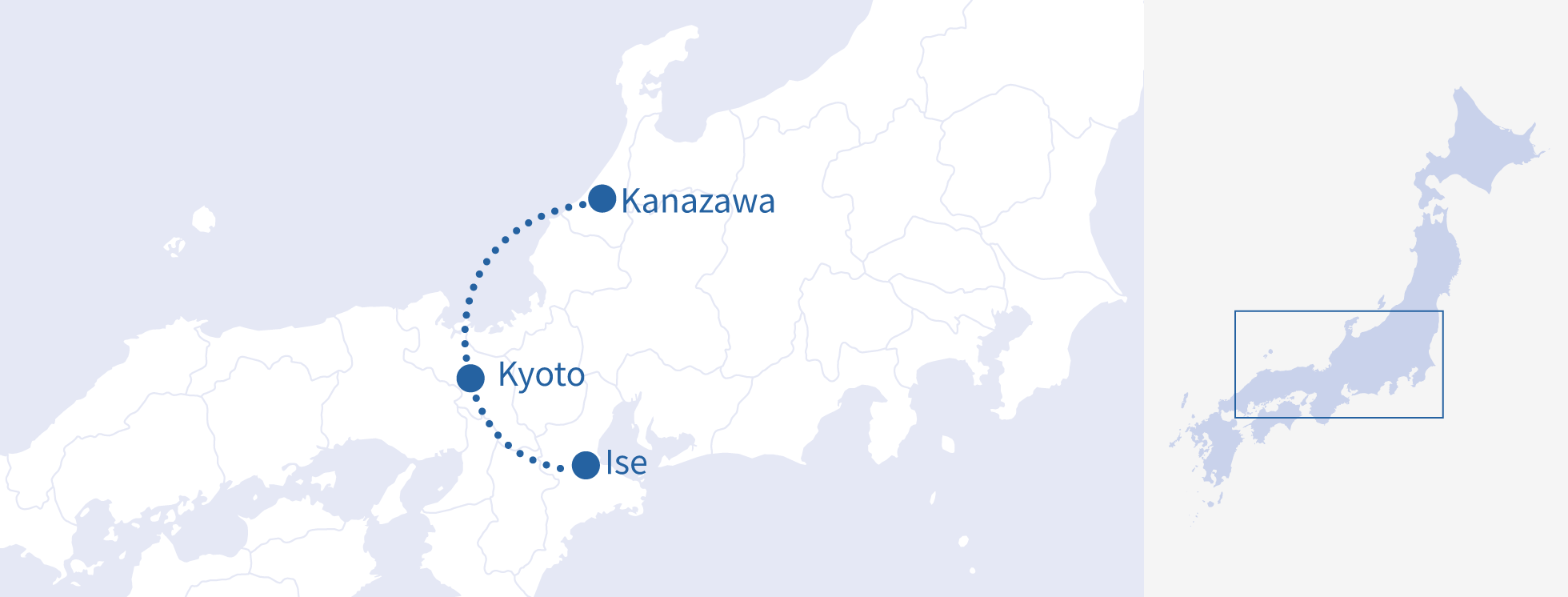
Discover Japan's "spiritual culture" and "artisan culture" as one grand story through this special 5-day journey itinerary.
Traverse Japan from east to west to feel the differences in climate, culture, and appreciate the beauty of each region.
This itinerary is designed to minimize travel fatigue and allow you to experience "creating," "touching," "feeling" and “tasting” in a more profound way, one step at a time.
By visiting artisan workshops, sacred places, nature, and local cuisine, you will be able to feel the spirit that has lived in Japanese culture for a long time.
It can also provide an opportunity to understand the deep relationship between Japan's natural environment and sake brewing.
Enjoy the different histories and flavors in each region you visit.
At the end of the journey, we hope you will feel the silent heart of Japan.
-
Day 1
Kanazawa
Kanazawa is a city where traditional crafts continue for hundreds of years.
Gold leaf, ceramics, gardens and local markets show a lifestyle that respects beauty and nature.
Visitors can enjoy calm streets and refined Japanese culture.Gold Leaf Experience
Kanazawa became a gold leaf production center due to historical and geographical factors such as obtaining high-quality water necessary for paper preparation (an important process in gold leaf making) and craftsmen who can continue persistent and delicate work.
After seeing the excellent techniques of these craftsmen, why not try experiencing the technique yourself?Kenrokuen
One of Japan's three most famous gardens, this Japanese garden offers beautiful seasonal scenery all year long.
*From November onwards, you can see craftsmen performing "yukitsuri" (snow suspension) to protect trees from the heavy snow characteristic of the Hokuriku region.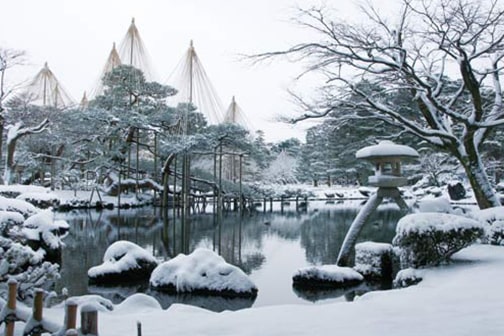
Kenrokuen Omi-cho Market for lunch
Omicho Market gathers abundant seafood caught in the Sea of Japan. Dishes served in beautiful vessels that carry on traditions from the Kaga domain era are called "Kaga cuisine" and represent the essence of Kanazawa's food culture.
Please enjoy the luxury of having fresh seafood in vessels carefully crafted by the artisans whose gold leaf brilliance you experienced in the morning and whose Kutani pottery warmth you felt with your hands.
Because this market is used daily by local people, tourists can safely experience authentic Kanazawa taste and culture.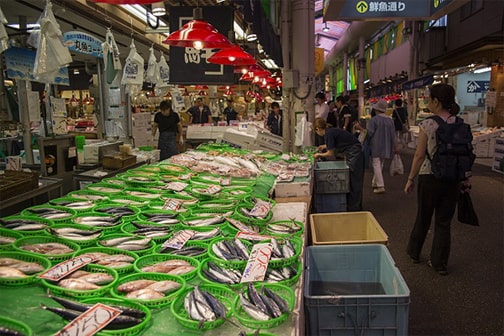
Omi-cho Market Visit the studio of Kutani ware
Kutani ware is characterized by intricate patterns and vivid colors.
Please watch the craftsmanship up close.Sake brewery tour ①
Sake brewing in Kanazawa has a history of about 400 years.
Witness the prestigious sake-making cultivated by the tradition of one of Japan's largest domains throughout the Edo period, which greatly developed not only economic power but also culture and industry.
Additionally, this journey allows you to taste the diversity of Japanese sake. By comparing and experiencing the sake cultures of the regions, it becomes a valuable opportunity.Accommodation in Kanazawa
-
Day 2
Kyoto
Quiet Culture of Temples and Beautiful Textiles
Kyoto keeps the heart of traditional Japan. Temples, kimono, and crafts show a gentle lifestyle and deep spirituality. Visitors can feel harmony, beauty, and history in everyday scenery.

Nishijin Weaving Experience
Experience the thousand-year-old textile culture.
The intricate techniques and beautiful patterns are symbols of Japanese aesthetic sense.Honpou-ji Temple
A temple with a nationally designated scenic spot featuring the dry landscape garden "Tomoe no Niwa" attributed to Hon'ami Kōetsu. You can feel the unique atmosphere where art and faith overlap.
Uhoin
Located in the heart of Nishijin, this temple blends into the town.
You can catch a glimpse at the form of faith rooted in the community.Accommodation in Kyoto
-
Day 3
Kyoto
Quiet Culture of Temples and Beautiful Textiles
Yusaitei
An art space where you can feel the beauty of yuzen dyeing throughout the entire building.
A fantastical world of light and color unfolds.Kimono Wearing Experience
Kimono wearing experience to embody Kyoto's aesthetic sense.
By wearing kimono after learning about traditional crafts, you can deeply appreciate both craftsmen's techniques and the culture which views kimono as wearable art.Rickshaw Ride
Why not pass through the bamboo groves of Arashiyama while wearing kimono?
You can travel while feeling a sense of specialness.
Rickshaw Ride Kyo-Yuzen Dyeing Workshop
Experience stencil dyeing and yuzen techniques.
You can touch Kyoto's traditional fabrics and product born from that aesthetic sense.Accommodation in Kyoto
-
Day 4
Kyoto
Quiet Culture of Temples and Beautiful Textiles
Gokonomiya Shrine
It is said that this shrine got its name from the folklore that fragrant water sprang forth. Sake barrels of all Fushimi sake brands are stacked in the precincts. You can feel the connection between sake and the sacred place of the shrine.
Sake Brewery Tour + Sake Tasting Experience②
A brewery tour to learn about sake-making created by Fushimi's famous water and craftsmanship.
Please enjoy the different history and taste from Kanazawa.Jukkokubune
The townscape of Fushimi viewed from the water surface.
You can leisurely enjoy the scenery of the "water capital."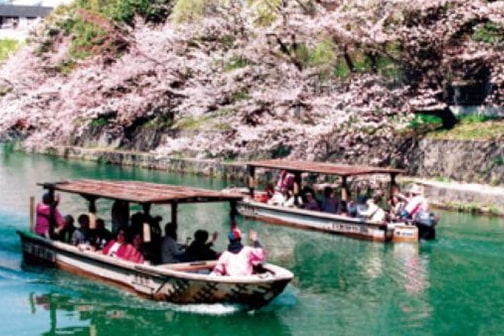
Jukkokubune Accommodation in Ise
-
Day 5
Ise
The Sacred Origin of Japanese Tradition
Ise is a special place with a long history of Shinto.
The town has quiet streets, good sake, and a warm atmosphere around the shrine.
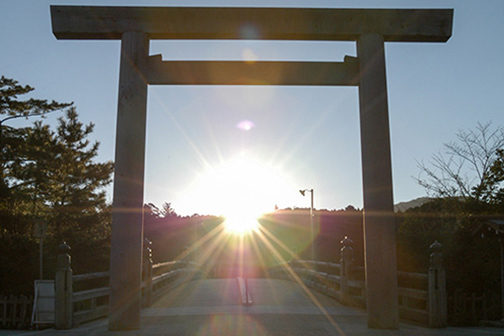
Visitors can learn the simple but deep spirit of Japan.Ise Jingū
A sacred place called "the spiritual homeland of the Japanese People“. Walking through the quiet forest and magnificent shrine, you can sense the spiritual culture that has continued since ancient times.
Ise Jingū Okage Yokochō
Many traditional souvenir shops and restaurants line the street.
Please enjoy Ise's specialties such as "Tekone Sushi" and "Akafuku.“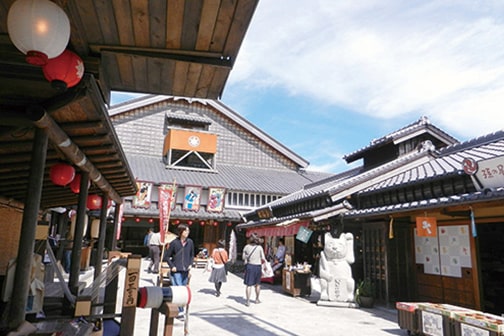
Okage Yokochō Bonito Flake Production Site
Visit a workshop of katsuobushi (bonito flakes), a traditional ingredient indispensable in Japanese cuisine.
Breathe in the deep aroma of fermentation and smoking, a result of the craftsmanship of food culture.Ama hut experience
Visit the hut of Ama divers who live in harmony with the sea.
From their warm hospitality, you can feel the origin of Japanese life that respects the sea.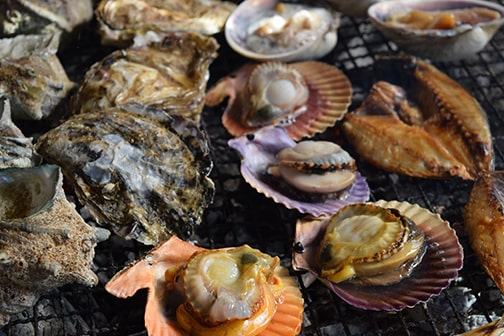
Ama hut experience Mikimoto Pearl Island
On the island where the world's first cultured pearls were born, you can admire the brilliance of the pearls up close and see first hand how Japanese innovation is born from the collaboration between sea and technology.
- Inquiry Form -



© Kinki Nippon Tourist Blue Planet Co.,Ltd.