
Leisure
Model Itinerary
Ancient Paths, Quiet Hearts: A Wellness Pilgrimage
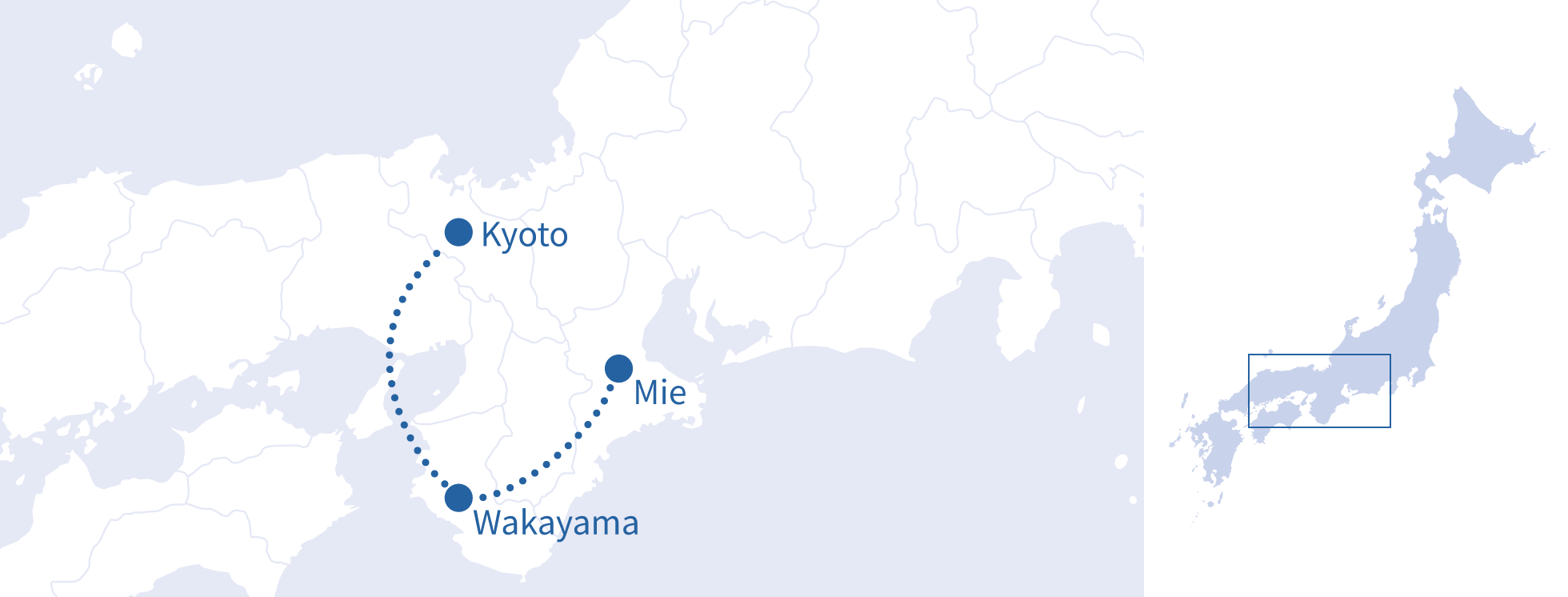
Kyoto – wakayama - Mie
-
Day 1
Kyoto
Zen Meditation
At a Zen temple in Kyoto, experience "zazen" (seated meditation) under the guidance of a monk. Practice calming your mind by adjusting your breathing and posture.
Sharpen your five senses in the tranquility of the main hall to unify body with mind and reflect on yourself.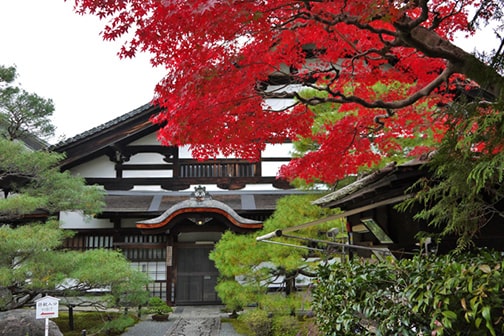
Zen Temple Sutra Copying at a Zen Temple
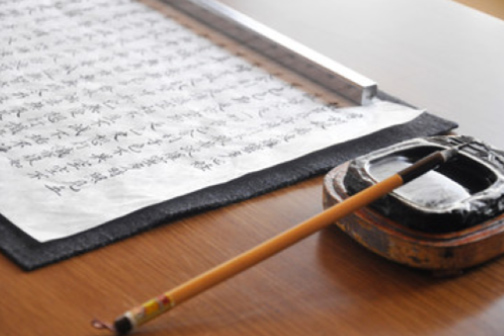
Afterwards, try "shakyo" (sutras copying) using a brush and ink. Shakyo is the act of sketching the teachings of Buddha. The focus on each character, will help you cultivate concentration and inner serenity. Embrace a time to reflect in silence.
Sutra Copying at a Zen Temple Heian Shrine Gardens Stroll
Despite being located in the heart of the city, Heian Shrine is surrounded by vast nature and tranquility.
Built in 1895 to commemorate the 1,100th anniversary of the relocation of the capital to Heian-kyo, the Heian period capital, the shrine is famous for its large vermilion torii gate and elegant main building. The shrine's gardens, which recreate the architectural style of the Heian period, cover an area of approximately 30,000 square meters and are made up of four gardens: East, Central, West, and South.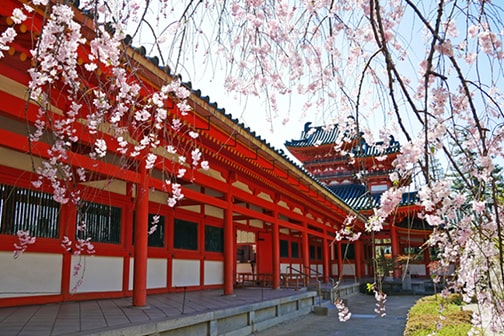
Heian Shrine Gardens Kyoto Cuisine Dinner
Kyoto cuisine is an art form that has been cultivated for over a thousand years and reflects the four seasons.
Its delicate flavors bring out the natural taste of seasonal ingredients.
Because it originated as imperial court cuisine, it is less salty than other regional cuisines and has a delicate flavor.
Its appeal lies in its emphasis on the "spirit of hospitality" that allows it to be enjoyed with all five senses, with a base of dashi, seasonal presentation, and beautiful attention to tableware and eating space.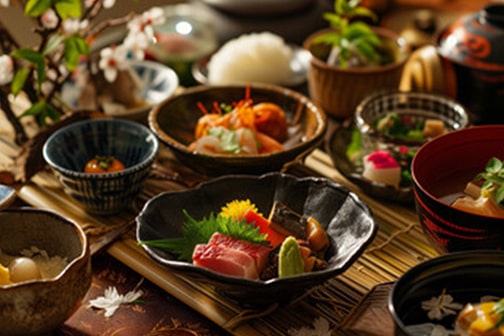
Kyoto Cuisine -
Day 2
Kyoto
AM
Tea Ceremony Experience
The experience begins with a mini-lesson on tea room etiquette and the spirit of tea ceremony, "Wakei Seijaku," or "harmony, purity, and tranquility." Afterward, you will prepare and taste the tea you have made yourself. Enjoying a cup of tea with seasonal Japanese sweets will be a moment of meditation, calming your mind.
Feast your eyes on the preparation of tea in a tranquil tea room, each movement carefully considered.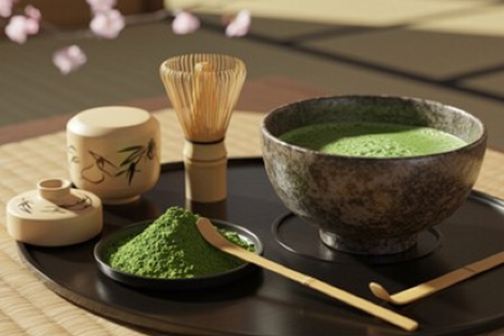
Tea Ceremony Experience Kodo Experience
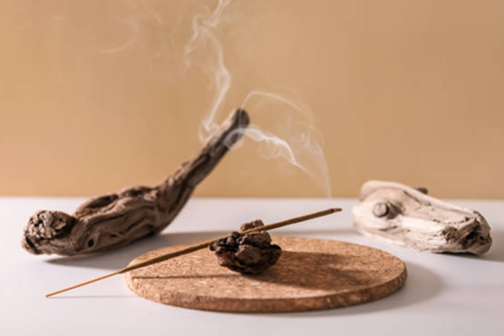
Kodo is a traditional Japanese art of appreciating the aroma of fragrant wood, calming the mind and sharpening one's senses. It began in the Muromachi period and has developed into a "way of fragrance" alongside tea ceremony and flower arranging. Just as the term "listen" to fragrances refers to listening rather than "smelling," Kodo can be described as a time to listen to the voice of the heart through scent. Under the guidance of a Kodo master, you will learn about the different types of fragrant wood and their scents, while actually "listening" to the incense.
Kodo Experience PM
Free time
Enjoy your free time exploring Kyoto on foot and experiencing the beauty and history of this old city.
-
Day 3
Kyoto→Wakayama
AM Travelling
PM
Kongobu-ji Temple
Kongobu-ji Temple is the head temple of the Koyasan Shingon sect of Buddhism, founded over 1,200 years ago by the revered monk Kobo Daishi (Kukai).
Mount Koya, also known as “the monastery in the sky”, is a sacred site for Shingon Esoteric Buddhism renowned for meditation and esoteric practice.
Discover its expansive grounds with beautifully preserved halls, historical treasures traditional gardens like the Banryu-tei Rock Garden, Japan’s largest dry landscape garden.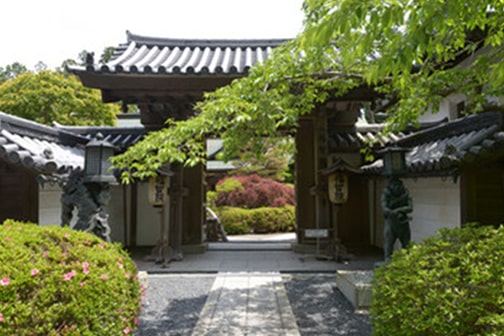
Kongobu-ji Temple Danjo Garane
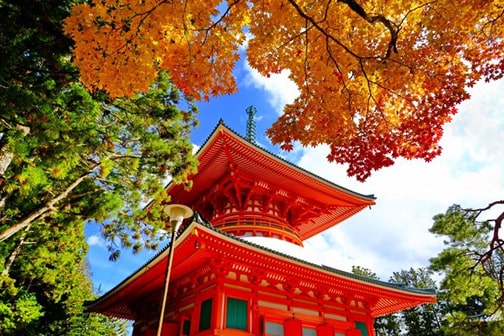
Danjo Garan is the spiritual heart of Mount Koya and the sacred complex established by Kobo Daishi (Kukai) as the central training ground of Esoteric Buddhism. The moment you step into the precincts, you are welcomed by a serene yet powerful atmosphere—every structure and space is built for prayer and spiritual contemplation. The Konpon Daito in particular represents the mandala worlds of both the Womb Realm and the Diamond Realm in a three-dimensional form, creating an awe-inspiring sacred environment.
Danjo Garan Okuno-in
Okuno-in is the most sacred site and most revered spiritual destination in Koyasan.
The approach to Okuno-in is lined with over 200,000 memorials and tombstones, belonging to emperors, samurai, and monks across the centuries.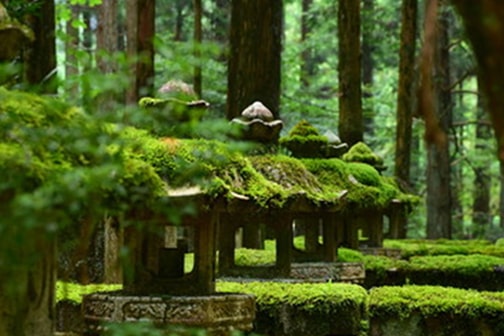
Okuno-in -
Day 4
Wakayama
Hashigui-iwa Rock Formation
Hashiguiiwa is a group of strangely shaped rocks stretching for approximately 850 meters along the coast of Kushimoto Town, Wakayama Prefecture. Its unique landscape features 40 rocks of various sizes lined up in a straight line. Its name comes from its resemblance to the piles of a bridge over the sea, and it has been designated a national natural monument.
The rocks change their appearance with the ebb and flow of the tides. At low tide, you can walk right up to the rocks, experiencing the power of the rocks and the beauty of their natural formations up close.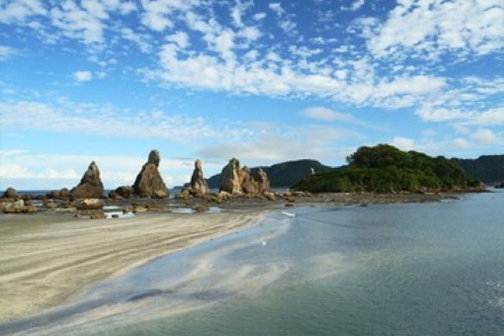
Hashigui-iwa Rock Formation Kumano Kodo
The Kumano Kodo is a 1,000 year old network of pilgrimage trails that weave through the sacred mountains of the Kii Peninsula, connecting the three grand Kumano shrines: Hongu Taisha, Nachi Taisha, and Hayatama Taisha. In 2004, the routes were designated as a UNESCO World Heritage Site as part of the “Sacred Sites and Pilgrimage Routes in the Kii Mountain Range.”
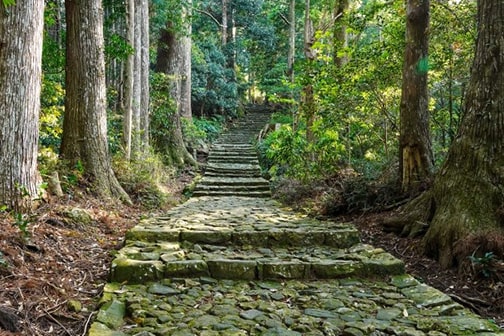
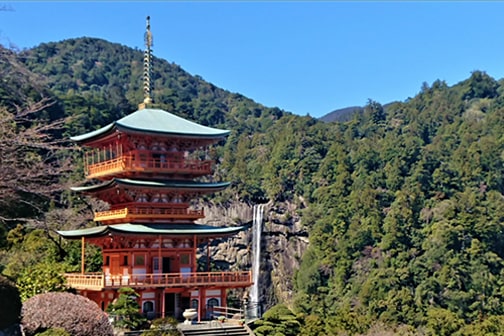
Kumano Kodo Nachi Grand Shrine, Seiganto-ji Temple & Nachi Waterfall
Begin your spiritual journey at Nachi Taisha Shrine, one of the Kumano Sanzan shrines. Adjacent to Nachi Hongu Taisha Shrine, Nachisan Seiganto-ji Temple is a precious temple that conveys the history of syncretism between Shinto and Buddhism to the present day. From the temple grounds, you can view Nachi Falls, and enjoy the mystical scenery unique to Kumano, where temple architecture, nature, and faith blend together. After praying, head to Nachi Otaki Falls, the highest waterfall in Japan, with a drop of 133 meters. Surrounded by virgin forest, the sound of roaring water and the rising mist create a powerful, otherworldly sight.
Seiganto-ji Temple & Nachi Waterfall Kumano Hayatama Taisha
Kumano Hayatama Taisha, one of the Three Grand Shrines of Kumano, is the head shrine of more than 4,000 Kumano shrines across Japan. Known for its vivid vermilion buildings and serene atmosphere, the shrine offers a peaceful and sacred space where visitors can slow down and reconnect with themselves.
Within the grounds stands the sacred Nagi tree, revered for centuries as a symbol of protection and strong bonds. Touching its soft and resilient leaves is believed to promote inner calm and positive connections, making it a meaningful part of the visit.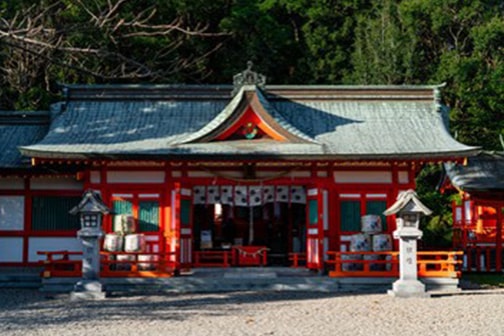
Kumano Hayatama Taisha -
Day 5
Wakayama
AM Travelling
PM
The Grand Shrine of Ise
Japan’s most revered Shinto shrine, often simply called “Jingu, consists of two main sanctuaries: the Inner Shrine (Naiku), dedicated to Amaterasu-Omikami, the sun goddess, and the Outer Shrine (Geku), dedicated to Toyouke-Omikami, the deity of food, clothing, and shelter.
With a history spanning nearly 2,000 years, Ise Jingu is considered the spiritual center of Japan, embodying purity, harmony, and renewal. The surrounding ancient forests, clear rivers, and simple wooden architecture create an atmosphere of deep tranquility and sacredness. One of the most remarkable traditions is the Shikinen Sengu—a ritual rebuilding of the shrine every 20 years. This practice, continued for more than 1,300 years, represents the Japanese concept of “Tokowaka”, the cycle of everlasting renewal.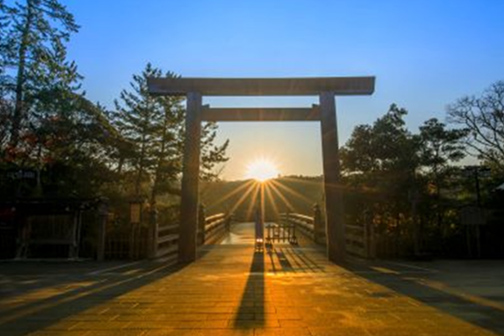
The Grand Shrine of Ise Okage Yokocho
Okage Yokocho is a charming historical district located near the Inner Shrine (Naiku). The area emulates the Edo to Meiji periods townscape, capturing the lively atmosphere that once surrounded the traditional pilgrimage to Ise.
Pedestrian-friendly, filled with long established artisan shops and local specialty stores for iconic Matsusaka beef dishes, Akafuku mochi, and “tekone-zushi.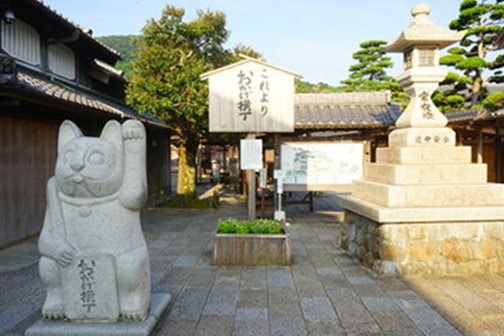
Okage Yokocho Kashikojima
Kashikojima, is a serene resort island that offers a peaceful landscape ideal for rest and rejuvenation and features high quality resorts and traditional inns, at which guests can enjoy ocean-view rooms, open-air hot springs, and refined kaiseki cuisine made with local seafood and regional ingredients.
A perfect destination for those seeking tranquility, luxury, and a deeper connection with Japan’s coastal nature.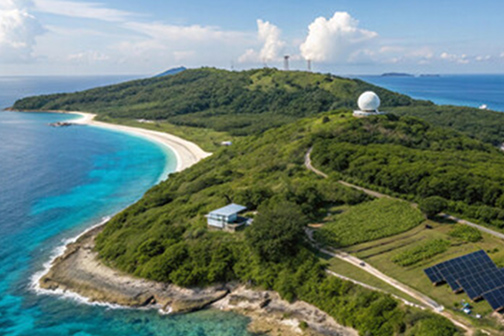
Kashikojima -
Day 6
Wakayama→Mie
Yokoyama Observatory
In Ise-Shima National park stands the Yokoyama Observatory, which offers one of the most breathtaking panoramic views of Ago Bay.
From the spacious viewing deck, you can admire the stunning rias coastline and the naturally picturesque masterpiece that the countless small islands create.
Walking along the forested paths leading to the observatory, visitors can enjoy the calming atmosphere, especially during morning hours when the crisp air and soft gradients of light across the sea make it an ideal spot for photography, quiet reflection or simply to take in the serene beauty of Ise-Shima.
Yokoyama Observatory Kashikojima Cruise
Experience the serene beauty of Ago Bay on the Kashikojima España Cruise, aboard a Spanish-style sightseeing vessel. As you glide through the tranquil waters dotted with pearl-cultivation rafts, you’ll enjoy sweeping views of the rias coastline that defines the Ise-Shima region.
Relax on the open deck, feel the gentle sea breeze, and immerse yourself in a rejuvenating coastal retreat on the water.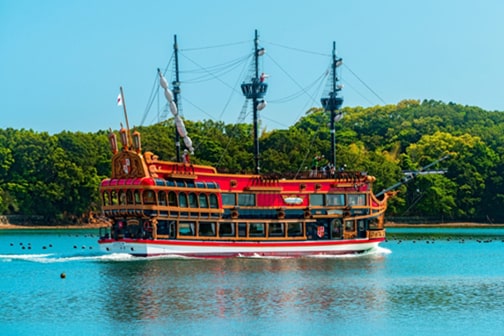
Kashikojima Cruise Amano-Iwato
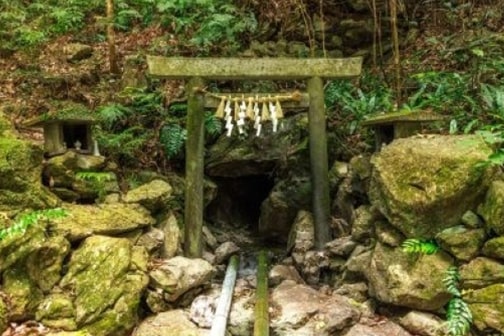
Amano-Iwato in Ise, Mie Prefecture, is one of the sacred sites associated with the ancient Japanese myth in which the Sun Goddess Amaterasu Ōmikami hides herself inside a cave. Although several locations in Japan are linked to this myth, the Amano-Iwato of Ise has long been revered as a spiritual land where the presence of the gods is deeply felt. As the site is considered sacred, visitors are encouraged to enter respectfully and quietly, which enables you to feel the natural energy of the site.
Amano-Iwato Futami Okitama Shrine
Futami Okitama Shrine has long been worshipped as a place of purification for worshippers at Ise Grand Shrine. It also stands out for its sacred location overlooking the clear sea. The "Meotoiwa" (Married Couple Rocks) lined up on the sea are symbolic, with the sunrise at their backs, and are beloved as symbols of matchmaking, marital harmony, good relationships, and family harmonies.
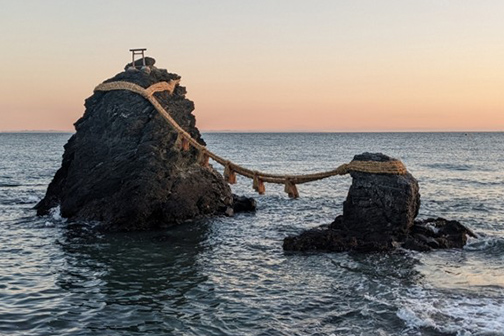
Meotoiwa
- Inquiry Form -



© Kinki Nippon Tourist Blue Planet Co.,Ltd.